

What to Know Before Buying a Single-Family Home in Atlanta GA
Buying a single family home in Atlanta can give you something condos and many townhomes cannot: more control over the property, private outdoor space, additional storage, and often more flexibility for future improvements. But that extra ownership also means taking responsibility for the roof, structure, drainage, landscaping, utilities, and long-term maintenance.
Atlanta makes the decision especially interesting because its housing stock varies dramatically from one neighborhood to another. Buyers may compare early-1900s bungalows and Victorian-era homes with renovated ranches, newer infill construction, traditional two-story houses, and larger-lot properties.
If you are buying a single family home in Atlanta, understanding the property itself is just as important as comparing the asking price. This Atlanta single family home buying guide explains what to inspect, how older homes differ from newer ones, which ownership costs deserve attention, and how several Atlanta neighborhoods compare in 2026.
If you are still building your shortlist, start by browsing current homes for sale in Atlanta GA so you can compare real inventory while using the checklist below.
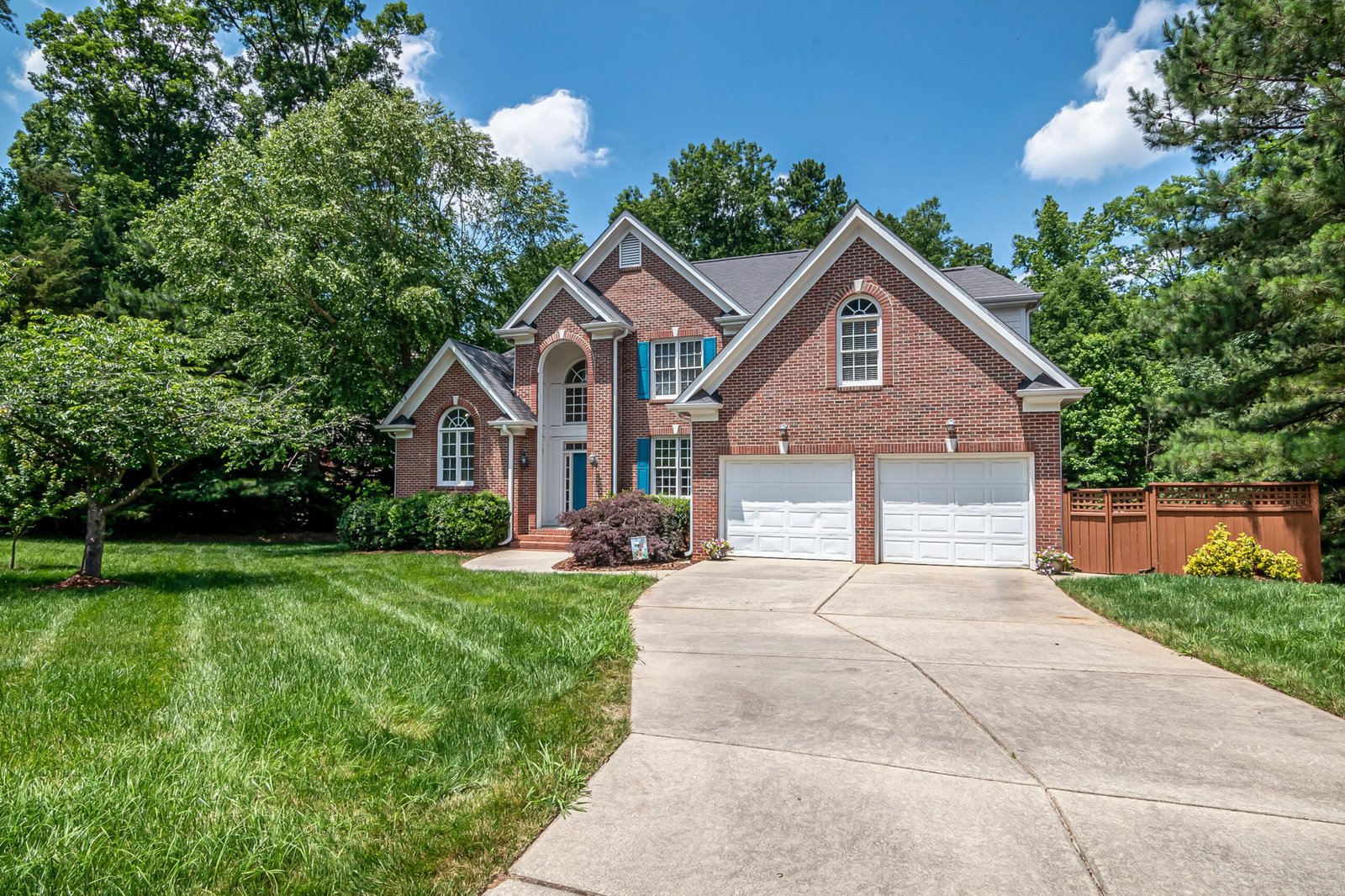
What Atlanta’s Single-Family Home Market Looks Like in 2026
Atlanta still offers a large detached-home market. Realtor.com showed roughly 3,145 single-family homes for sale when checked in September 2026, although inventory changes daily. Across all Atlanta property types, Realtor.com Economic Research reported an August 2026 median listing price of $375,000, while Redfin reported an August median sale price of $427,467.
Those numbers measure different stages of the market—asking prices versus completed sales—so neither should be treated as the value of a specific home.
For buyers buying a single family home in Atlanta, current market conditions should be compared with the price, condition, and recent sales around the specific property. A buyer shopping around $300,000 may face a very different property age, lot size, renovation history, and location than someone shopping around $600,000 or more.
Atlanta’s single-family market also has a visible institutional-rental presence. WABE reported in April 2026 that three publicly traded companies controlled almost 20,000 single-family homes in Metro Atlanta, citing research from the American Economic Liberties Project. That does not mean investors dominate every neighborhood, but it provides useful context when evaluating housing supply and competition.
For changing pricing, inventory, and negotiation trends, use the Atlanta housing market forecast 2026 as a companion resource rather than relying on one citywide statistic.
What to Look for When Buying a Single-Family Home in Atlanta
When buying a single family home in Atlanta, the inspection should go beyond checking whether the kitchen looks updated or the bedrooms feel spacious. Detached-home ownership generally means you are responsible for the building, lot, drainage, exterior, and major systems, so deferred maintenance can affect your budget quickly.
Start With the Major Systems
Before making a final decision, understand the age and condition of:
- Roof and gutters
- HVAC equipment and ductwork
- Electrical service and panels
- Supply and drain plumbing
- Water heater
- Foundation or crawl space
- Windows and exterior siding
- Sewer or septic system, where applicable
- Retaining walls, grading, and drainage
- Driveway, fencing, decks, and accessory structures
A general home inspection is the starting point, not necessarily the end of due diligence. Older plumbing, signs of foundation movement, recurring moisture, a heavily wooded lot, or an aging sewer line may justify a specialist evaluation.
Before buying a single family home in Atlanta, compare expected repair costs with the home’s price and condition. A lower-priced property needing a roof, HVAC system, electrical work, and drainage correction can create a higher near-term ownership cost than a more expensive home with recently documented improvements.
Ask for permits and invoices when sellers advertise substantial renovations. Cosmetic updates do not automatically mean the systems behind the walls were updated at the same time.
Buying an Older Single-Family Home in Atlanta Requires Extra Research
Buying an older single family home in Atlanta can mean gaining architectural character and an established location, but age changes the due-diligence process.
Grant Park is a good example. The City of Atlanta describes it as one of the city’s oldest residential neighborhoods and notes that many structures were built from the late nineteenth through early twentieth centuries. Its housing includes Victorian-era residences, cottages, Craftsman bungalows, and other historic styles.
Buying an older property requires additional research when buying a single family home in Atlanta, especially when the home has undergone multiple renovations over several decades. Review permits, major system upgrades, drainage, sewer condition, structural changes, and previous repair documentation before relying on cosmetic improvements alone.
With an older property, look closely at whether major systems have been replaced or merely repaired over time. Buyers may need to investigate outdated wiring, older plumbing materials, aging sewer connections, foundation movement, moisture intrusion, inadequate drainage, roof age, and unpermitted additions.
Historic designation adds another consideration. Atlanta identifies neighborhoods including Grant Park and West End as local historic districts. Depending on the property and proposed work, certain exterior alterations in designated districts may require historic-preservation review or a Certificate of Appropriateness.
Before buying a historic or heavily renovated home, ask:
- What work has been completed and when?
- Were permits required and obtained?
- Which major systems remain original?
- Are there historic-district restrictions?
- What repairs are likely within the next five years?
- Has the sewer line been evaluated?
- Has previous structural or drainage work been documented?
That information is more useful than assuming an older home is either automatically risky or automatically better built.
Areas Atlanta Single-Family Buyers Often Compare
Location can change the ownership experience significantly when buying a single family home in Atlanta. Lot size, commute, housing age, school assignment, renovation history, and nearby amenities can vary considerably from one neighborhood to another.
If you are researching the best areas to buy a single family home in Atlanta, there is no one neighborhood that fits every buyer. Price, home style, commute, lot size, school assignment, renovation tolerance, and daily routine all matter.
Kirkwood, Grant Park, East Atlanta, West End, and other Atlanta neighborhoods can offer very different combinations of detached-home inventory, architectural styles, lot sizes, price points, and access to major destinations.
Rather than choosing an area based only on reputation or median price, compare the specific home with your actual priorities. A neighborhood that works well for someone prioritizing an intown commute may not offer the same value to a buyer focused on larger lots, newer construction, or lower maintenance.
The neighborhood examples below illustrate how different Atlanta single-family markets can be. Prices should be treated as market snapshots rather than guarantees about what an individual property will cost.
Kirkwood
Kirkwood had a $593,000 median listing price in August 2026, with a median listing price of approximately $346 per square foot. Realtor.com reported a 46-day median market time.
Key benefits buyers may compare:
- Established intown residential streets
- Detached homes alongside newer infill
- Access to nearby East Lake, Edgewood, and Decatur-area destinations
- Older housing mixed with renovated properties
- Neighborhood-scale commercial destinations nearby
Property types available: detached bungalows, renovated older homes, newer infill houses, and some attached housing.
School reference: Fred A. Toomer Elementary serves addresses within its attendance zone and feeds into Martin Luther King Jr. Middle School and Maynard H. Jackson High School. Buyers should verify zoning for the exact property through Atlanta Public Schools.
Grant Park
Grant Park’s August 2026 median listing price was $550,000, while the median sold price was approximately $595,000 and the median listing price per square foot was about $348.
Key benefits buyers may compare:
- Historic residential architecture
- Proximity to the 131-acre Grant Park
- Distinctive older-home character
- Intown location near several southeast Atlanta neighborhoods
- Access to neighborhood restaurants and local destinations
Property types available: Victorian-era homes, cottages, Craftsman bungalows, renovated detached homes, newer infill, and some townhome or condo inventory.
School reference: schools within the Jackson Cluster include Parkside Elementary, Martin Luther King Jr. Middle School, and Maynard H. Jackson High School. Exact attendance zones should always be confirmed by address.
Grant Park buyers should also consider whether a particular property falls within historic-district regulations before planning major exterior changes.
East Atlanta
East Atlanta’s August 2026 median listing price was approximately $472,000, with a median listing price near $289 per square foot. Realtor.com reported a 60-day median market time.
Key benefits buyers may compare:
- Detached-home inventory near East Atlanta Village
- Mix of established houses and renovated properties
- Access to restaurants, shops, and services
- Proximity to other southeast Atlanta neighborhoods
- Mix of older homes and newer infill construction
Property types available: detached cottages, bungalows, renovated resale homes, infill construction, and some attached housing.
School reference: Burgess-Peterson Academy serves addresses within its assigned zone and is part of the Jackson Cluster, along with Martin Luther King Jr. Middle School and Maynard H. Jackson High School. Verify the exact property address with Atlanta Public Schools.
West End
West End had an August 2026 median listing price of approximately $292,000, a median sold price around $391,750, and a median listing price near $189 per square foot.
Neighborhood-level statistics can move quickly when the number and type of monthly sales change, so these figures should be treated as a market snapshot rather than a fixed valuation benchmark.
Key benefits buyers may compare:
- Historic housing stock
- Access to the Westside BeltLine Trail area
- Proximity to Downtown Atlanta
- Proximity to the Atlanta University Center
- Lower current median listing price than several east-side intown neighborhoods
Property types available: historic detached homes, renovated older houses, traditional single-family residences, and some newer or attached properties.
School reference: the Washington Cluster includes schools such as M. Agnes Jones Elementary, Tuskegee Airmen Global Academy, H.J. Russell West End Academy, and Booker T. Washington High School. Use the APS School Zone Locator to verify the exact property.
West End is also an Atlanta-designated historic district, so buyers planning exterior renovations should investigate applicable preservation requirements before purchasing.
Understand the Cost of Owning a Single-Family Home in Atlanta
The cost of buying a single family home in Atlanta goes well beyond principal and interest. Detached-home buyers should budget for property taxes, homeowners insurance, utilities, landscaping, repairs, pest prevention, exterior upkeep, and eventual replacement of major systems.
Georgia generally assesses residential property at 40% of fair market value for property-tax purposes. The City of Atlanta’s FY2026 millage totaled 11.37 mills, while Fulton County’s FY2026 operating rate was 8.87 mills.
Those figures are not the complete tax bill by themselves. School levies, county jurisdiction, exemptions, assessed value, and the individual parcel also affect what an owner pays.
That is why two similarly priced Atlanta houses can produce different property-tax obligations.
For a property-specific estimate, review the parcel record, current exemptions, county, assessed value, and applicable millage rather than simply copying the seller’s previous payment. My guide to Atlanta property taxes explains the Fulton-versus-DeKalb issue and Georgia’s assessment structure in more detail.
Single family home maintenance costs in Atlanta also vary too much for one percentage rule to work for every property. A 1920s house with mature trees and aging systems needs a different maintenance reserve than a recently built home with newer mechanical equipment.
When buying a single family home in Atlanta, build your maintenance budget around the actual property, including:
- Roof age
- HVAC age
- Electrical condition
- Plumbing condition
- Sewer or septic needs
- Exterior maintenance
- Tree maintenance
- Drainage
- Landscaping
- Driveway and retaining walls
- Upcoming major replacements
A home that costs less at closing may not necessarily cost less to own.
HOA vs. Non-HOA and Newer vs. Resale Homes
Atlanta buyers can find single-family homes both inside and outside homeowners associations. Neither structure is automatically better.
When buying a single family home in Atlanta, reviewing HOA rules early can help you understand ongoing fees, exterior restrictions, rental policies, and owner responsibilities before you make an offer.
An HOA community may maintain common entrances, amenities, landscaping standards, or shared facilities. In return, owners may have dues, architectural controls, rental rules, parking requirements, and possible special assessments.
Before purchasing in an HOA community, ask for:
- Declaration and bylaws
- Current dues
- Current budget
- Reserve information
- Recent meeting minutes
- Rental restrictions
- Exterior modification rules
- Pending or recently approved assessments
A non-HOA property may provide more flexibility, but the owner is still responsible for city codes, zoning requirements, property maintenance, and any historic-district regulations that apply.
The same balanced approach works when comparing newer construction with resale homes.
A newer home may offer:
- Newer mechanical systems
- Modern layouts
- Builder warranty coverage
- Energy-efficient features
- Lower immediate repair needs
An established resale may offer:
- Larger or more mature lots
- Established landscaping
- Architectural character
- An intown location where new construction is limited
- Existing improvements that would be costly to add later
Compare the total ownership cost, not just the purchase price.
Location, Commute, and the Lot Matter More With a Detached Home
Buying a single-family property means choosing both a house and a piece of land. Two similar homes can provide very different ownership experiences depending on their lot and location.
Buyers buying a single family home in Atlanta should also test the commute from the exact address, especially if daily travel involves I-20, I-75, I-85, or I-285.
Pay attention to grading and drainage. Water should move away from the foundation rather than collect near the house, crawl space, basement, or retaining walls.
Mature trees can add shade and character, but buyers should also consider limb condition, proximity to the roof, root systems, cleanup, and removal costs when necessary.
Look at how the driveway, garage, street parking, sidewalks, and surrounding roads fit your normal routine.
Commute testing should also be property-specific. Atlanta traffic conditions can vary significantly by direction and time of day. A generic mileage estimate does not tell you what the drive will feel like at 8:00 a.m. or 5:30 p.m.
Before making an offer, test:
- Your likely work commute
- Grocery and everyday shopping trips
- School or childcare routes where relevant
- Airport access if you travel frequently
- Access to I-20, I-75, I-85, or I-285 where relevant
- MARTA access if public transportation matters
- Weekend routes to the places you use regularly
The goal is to understand how the home fits your real routine—not simply how it looks on a map.
Use an Atlanta Home Buying Checklist Before Making an Offer
A practical Atlanta home buying checklist can help you compare properties consistently instead of reacting only to finishes, staging, or a newly renovated kitchen.
When buying a single family home in Atlanta, use the same due-diligence framework for every serious property so you can compare condition, ownership costs, and potential repairs more objectively.
Before submitting an offer, confirm:
- Recent comparable sales near the property
- Current competing listings
- Roof age and condition
- HVAC age and service history
- Plumbing condition
- Electrical system and panel
- Water-heater age
- Foundation and structural condition
- Crawl-space or basement moisture
- Grading and drainage
- Sewer or septic information
- Property-tax history
- Current exemptions
- HOA documents and dues, if applicable
- Permit history for major renovations
- School assignment using the exact address
- Preliminary homeowners-insurance quote
- Flood or drainage concerns where relevant
- Property boundaries
- Retaining walls and fencing
- Major trees near structures
- Garage and parking
- Realistic commute
- Repairs likely within the first several years
Atlanta Public Schools determines attendance zones by the bona fide residential address, so buyers should not rely only on a listing description when school assignment matters.
A strong offer is not necessarily the highest offer. It is one made after you understand the property, comparable sales, financing, ownership costs, and the risks you are willing—or unwilling—to accept.
Final Thoughts on Buying a Single-Family Home in Atlanta
Buying a single family home in Atlanta gives you many ways to prioritize space, location, lot size, architectural style, privacy, and long-term ownership goals. It also makes property-level research more important because you are taking responsibility for both the structure and the land rather than sharing many of those obligations with a condo association.
For anyone buying a single family home in Atlanta, the most important step is to look beyond bedrooms, bathrooms, and finishes. Older-home systems, renovation history, drainage, trees, property taxes, HOA rules, maintenance costs, commute, and future repairs can all affect the real ownership experience.
If you are comparing Atlanta single-family homes and want help looking beyond the listing photos, Nikkia Thomas can help you evaluate properties, neighborhood context, recent comparable sales, ownership costs, and the questions worth asking before you make an offer.
The goal is not simply to find a house you like. It is to understand what you are buying well enough to decide whether it fits your budget, daily routine, and longer-term plans.
Frequently Asked Questions
What is the average home price in Atlanta GA?
There is no single price that represents every Atlanta home, and median prices are generally more useful than averages because very expensive sales can distort an average. Redfin reported an Atlanta median sale price of approximately $427,467 in August 2026, while Realtor.com Economic Research reported a $375,000 median listing price. Those numbers measure different stages of the market, and single-family prices can vary substantially by neighborhood, lot size, age, condition, and renovations.
Is Atlanta GA a good place to buy a single-family home?
Atlanta offers a large and varied detached-home market, with more than 3,000 single-family listings visible on Realtor.com when checked in September 2026. Whether Atlanta fits a particular buyer depends on budget, commute, maintenance preferences, lot needs, school assignment, and preferred housing style rather than one citywide judgment. Buyers can compare historic intown homes, renovated resales, newer infill properties, subdivision homes, and larger-lot residences.
What are the best schools or areas in Atlanta GA?
There is no single best school or neighborhood for every buyer. Kirkwood, Grant Park, East Atlanta, West End, and other Atlanta neighborhoods have different prices, housing stock, commute patterns, and school assignments. Atlanta Public Schools determines attendance based on the specific residential address, so buyers should verify zoning directly through APS instead of assuming a neighborhood name guarantees access to a particular school.
What should I inspect when buying an older home in Atlanta?
How much should I budget for maintaining a single-family home in Atlanta?
There is no maintenance percentage that accurately fits every Atlanta property. A newer house with recently installed systems may need a smaller near-term reserve than an older property with an aging roof, HVAC system, plumbing, mature trees, retaining walls, or drainage concerns. Review the inspection findings and expected lifespan of major systems before closing, then maintain a dedicated reserve for routine upkeep and unexpected repairs.