
Atlanta Townhome Buying Guide
A townhome can give you more space and privacy than many condos while still reducing some of the exterior maintenance that often comes with a detached house. But the floor plan and purchase price are only part of the decision.
If you are buying a townhome in Atlanta, you may be comparing newer multi-level homes with garages, established brick communities, BeltLine-adjacent properties, and luxury residences in gated developments.
In August 2026, Redfin showed roughly 929 Atlanta townhouses for sale with a median asking price around $485,000. Most were staying on the market about 77 days, although pricing and competition varied significantly by neighborhood.
A $350,000 townhome in Northwest Atlanta can create a very different ownership experience from a $900,000 townhome in Reynoldstown or Buckhead. HOA responsibilities, insurance, financing, parking, common-area maintenance, and resale considerations can also vary from one community to another.
If you are still comparing townhomes with other property types, start by exploring homes for sale in Atlanta GA.
This Atlanta townhome buyer guide explains 2026 prices, areas to compare, HOA fees, insurance, financing, inspections, new construction, closing costs, and what to review before making an offer.
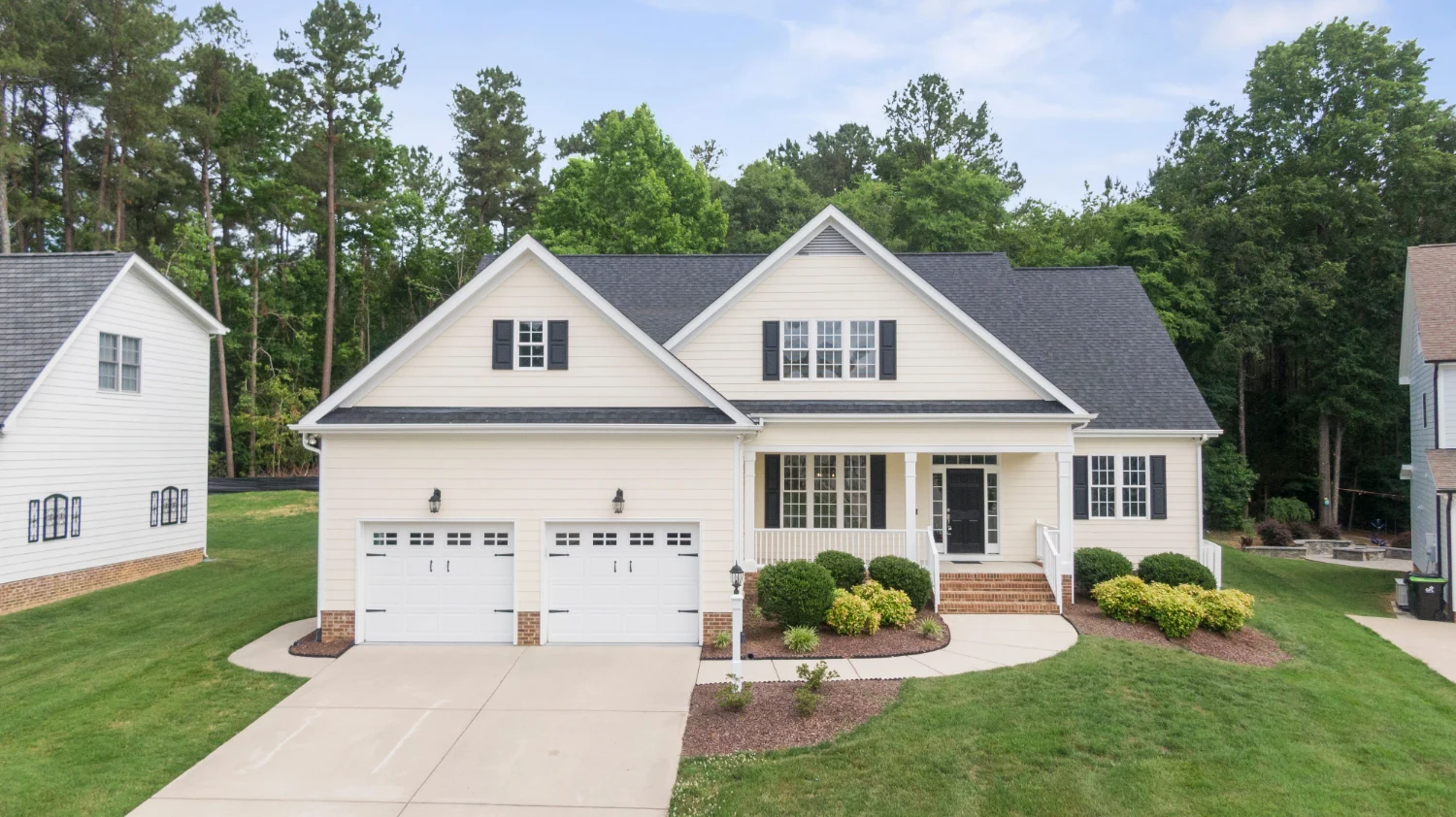
What Does the Atlanta Townhome Market Look Like in 2026?
Atlanta has a substantial attached-home market. Redfin’s current search showed approximately 929 townhouses listed citywide at a median asking price near $485,000.
Realtor.com showed more than 1,000 properties categorized as townhomes in its Atlanta search, although listing platforms may classify attached properties differently.
That classification issue matters when buying a townhome in Atlanta because two properties that look almost identical from the street can have very different legal ownership structures.
One Atlanta townhome may be a fee-simple property within a planned unit development, or PUD, while another may legally be a condominium.
That distinction can affect:
- What portion of the property you own
- Whether the HOA maintains the exterior
- What insurance policy you need
- How the lender reviews the property
- What association documents matter
- Whether the project itself must satisfy condo-financing requirements
Fannie Mae defines a PUD as a project in which HOA membership and assessments are mandatory and common property is maintained by the association, while the individual property is not legally part of a condominium or cooperative project.
So when reviewing townhomes in Atlanta GA, do not stop at bedrooms, bathrooms, and HOA dues. Ask how the property is legally titled and exactly what the association owns and maintains.
For anyone buying a townhome in Atlanta, understanding that ownership structure early can prevent confusion later with financing, insurance, and maintenance responsibilities.
Where Are Buyers Finding Atlanta Townhomes?
Atlanta townhome prices can change dramatically within a relatively short drive.
When buying a townhome in Atlanta, location affects more than the purchase price. HOA costs, transportation access, building age, community amenities, parking, and the type of townhome available can all vary by area.
The following neighborhoods illustrate some of those differences in 2026.
Upper Westside and 30318 Townhomes
The 30318 ZIP code has one of Atlanta’s larger concentrations of attached housing.
Redfin showed approximately 133 townhouses for sale with a median asking price around $450,000 in August 2026.
Active examples ranged from about $209,000 for a smaller two-bedroom attached property to $739,900 for a larger upgraded townhome, with numerous choices in the $300,000s and $400,000s.
Current listings also showed the variety within the ZIP, including a two-bedroom property around $326,900, three-bedroom homes around $305,000-$475,000, and higher-end BeltLine-area units around $715,000-$740,000.
For buyers buying a townhome in Atlanta who want a broad range of price points, 30318 can provide more variety than some of the city’s higher-priced intown neighborhoods.
Key benefits:
- Large townhome inventory
- Entry points in the $300,000s
- Newer and established communities
- Garage and multi-level layouts
- BeltLine-accessible options in parts of the area
- Access to Upper Westside retail and dining
2026 townhome median asking price: About $450,000
Representative current asking range: Approximately $209,000-$740,000
Property types: Traditional townhomes, newer multi-level attached homes, gated-community properties, fee-simple attached homes, and condo-form townhomes.
School zoning varies substantially across 30318. APS clusters serving parts of broader west and northwest Atlanta include schools such as Bolton Academy, Morris Brandon Elementary, Sutton Middle School, North Atlanta High School, Boyd Elementary, John Lewis Invictus Academy, and Douglass High School.
Buyers should verify the exact address with the APS School Zone Locator rather than relying on the ZIP code alone.
Buckhead Townhomes
Buckhead offers one of Atlanta’s widest townhome price ranges.
Redfin showed approximately 81 townhouses for sale with a median asking price around $625,000. Active inventory included properties near $235,000-$480,000, many options in the $500,000-$900,000 range, and luxury townhomes above $2 million.
Current listings included a three-bedroom residence around $479,900, another around $649,500, a four-bedroom townhome around $950,000, and a luxury gated residence listed at approximately $2.249 million.
For someone buying a townhome in Atlanta at a higher price point, Buckhead provides everything from established attached communities to newer and luxury gated properties.
Key benefits:
- Broad selection from traditional to luxury townhomes
- Gated-community options
- Attached garages
- Larger floor plans
- Access to Buckhead shopping, employment, dining, and major roads
2026 townhome median asking price: About $625,000
Representative current asking range: Approximately $235,000 to $2.25 million+
Property types: Fee-simple townhomes, gated attached residences, luxury townhomes, condo-style attached homes, and newer multi-story communities.
The North Atlanta APS cluster includes E. Rivers Elementary, Garden Hills Elementary, Morris Brandon Elementary, Sarah Smith Elementary, W.T. Jackson Elementary, Sutton Middle School, and North Atlanta High School.
School zoning remains address-specific.
Reynoldstown Townhomes
Reynoldstown sits at a considerably higher 2026 townhome price point than Atlanta’s citywide median.
Redfin showed approximately 18 townhouses for sale with a median asking price around $930,000. Current inventory ranged from approximately $575,000-$595,000 for three-bedroom community townhomes to $1.25 million for larger newer attached residences.
The area may appeal to buyers interested in newer construction, modern architecture, MARTA access, and Atlanta BeltLine proximity.
One current townhome listed around $995,000 was roughly 0.3 mile from the BeltLine and near the Inman Park/Reynoldstown MARTA station, while another around $594,900 included community amenities and a reported $334 HOA charge.
Key benefits:
- Atlanta BeltLine proximity
- MARTA access
- Newer and contemporary housing
- Garage and rooftop/outdoor-space options
- Larger attached homes than many condo alternatives
2026 townhome median asking price: About $930,000
Representative current asking range: Approximately $575,000-$1.25 million
Property types: Modern townhomes, newer attached homes, luxury residences, condo-form townhomes, and multi-level fee-simple properties.
The APS Jackson cluster includes Burgess-Peterson Academy, Toomer Elementary, King Middle School, and Maynard Jackson High School, along with other district and charter options.
Buyers should still verify the exact property address.
Grant Park Townhomes
Grant Park combines historic detached homes with a meaningful selection of attached housing.
The neighborhood’s overall median sale price was approximately $674,773 for the three months ending May 2026. Current townhome and attached-home examples included properties around $370,000, $425,000, $490,000, $525,000, $549,000, $550,000, and approximately $699,000.
Because Grant Park contains several property types, its neighborhood-wide median should not be treated as a townhome-specific median.
Buyers should compare recent sales and active listings for genuinely similar attached properties.
Key benefits:
- Mix of newer townhomes and established housing
- Access to Grant Park and nearby BeltLine connections
- Multiple attached-home price points
- Properties with garages and multi-level layouts
- Access to intown Atlanta destinations
2026 neighborhood median sale price: About $675,000
Representative current attached-home range: Roughly $370,000-$700,000
Property types: Townhomes, condos, historic single-family homes, newer detached homes, and multifamily properties.
The Jackson APS cluster includes Parkside Elementary, Burgess-Peterson Academy, King Middle School, and Maynard Jackson High School.
School assignment depends on the individual address.
Atlanta Townhome HOA Fees: What Are You Actually Paying For?
An HOA fee should never be evaluated only by whether it looks high or low.
Two Atlanta townhome communities may charge very different amounts because they maintain different things.
In one community, the HOA may handle landscaping and common areas only. In another, the association may also maintain roofs, exterior surfaces, gates, private roads, pools, structural insurance, or other shared components.
When buying a townhome in Atlanta, ask exactly what your HOA dues cover before comparing one community with another. A lower monthly fee may not necessarily be a better value if owners are responsible for substantially more maintenance.
Before buying, request documentation showing exactly what the Atlanta townhome HOA fees cover.
Review:
- Monthly or annual HOA dues
- HOA budget
- Reserve funds
- Recent financial statements
- Planned assessments
- Meeting minutes
- Exterior-maintenance responsibilities
- Roof responsibility
- Landscaping responsibilities
- Private road or gate maintenance
- Parking rules
- Rental restrictions
- Pet rules
- Renovation restrictions
Also determine whether the property is legally a PUD or condominium.
That can matter for financing. Fannie Mae generally waives formal project review for qualifying units in PUD projects, while condominium projects can be subject to different project-review requirements.
For new or developer-controlled condominium projects, factors such as construction completion, HOA control, phasing, and project eligibility can also matter.
The practical lesson is simple: do not assume the word “townhome” tells you the legal structure.
Before making an offer, ask for the legal description and association documents so your lender, insurance professional, and real estate agent can evaluate the correct ownership arrangement.
Townhome Insurance and Maintenance in Atlanta
Townhome insurance in Atlanta depends heavily on the property’s ownership structure and the association’s master policy.
For a property in a PUD, an individual homeowners policy may cover the residence unless the community’s legal documents provide for a master policy covering both common elements and residential structures.
In condominium projects, Fannie Mae generally requires master property insurance for common elements and residential structures unless the governing documents require individual policies instead. Borrowers may still need their own unit-level coverage.
Insurance is another important part of buying a townhome in Atlanta, because what the HOA covers can determine what type of personal policy you need.
That means you should not call an insurance company and simply say, “I’m buying a townhome.”
Provide:
- Property address
- Legal ownership type
- HOA insurance documents
- Master-policy declaration page
- HOA deductible information
- Exterior-maintenance responsibilities
- Any flood or other lender-required information
Maintenance works the same way.
A lower-maintenance townhome does not necessarily mean no maintenance.
You may still be responsible for HVAC, plumbing serving your unit, interior electrical systems, windows, doors, decks, balconies, appliances, and potentially exterior components depending on the declaration.
When buying a townhome in Atlanta, understanding those responsibilities before closing can help you build a more realistic maintenance budget.
An Atlanta townhome inspection should therefore evaluate the components you are responsible for while also identifying visible conditions that could relate to HOA-maintained elements.
Ask who is responsible for:
- Roof
- Siding or brick exterior
- Windows
- Foundation
- Decks and balconies
- Driveway
- Garage
- Retaining walls
- Drainage
- Shared plumbing
- Pest treatment
Townhome Financing and Closing Costs
Financing a townhome is often similar to financing a detached home, but the property’s legal structure can change the lender’s review.
A fee-simple townhome in a qualifying PUD may be comparatively straightforward from a project-review perspective.
A townhome legally structured as a condominium may require the lender to evaluate the condo project under applicable loan-program rules.
That is why buyers buying a townhome in Atlanta should give their lender the exact property and community information early—not after they are already deep into the transaction.
For Atlanta townhome closing costs, the Consumer Financial Protection Bureau says buyers should typically budget approximately 2% to 5% of the purchase price, separate from the down payment, although actual costs depend on the property, financing, lender, loan type, and location.
Using Atlanta's current townhome median asking price of approximately $485,000, that broad planning range would equal roughly:
- 2%: $9,700
- 3%: $14,550
- 5%: $24,250
Those are planning figures, not a closing-cost quote.
Your actual amount can include lender charges, appraisal, title-related expenses, prepaid insurance, property-tax escrow, recording costs, and other transaction-specific items.
CFPB recommends comparing Loan Estimates because rates, points, mortgage insurance, fees, and closing costs all affect the complete mortgage offer.
Budgeting for these expenses early can make buying a townhome in Atlanta easier because you can compare your estimated cash-to-close alongside the monthly payment.
For the full purchase process, review buying a home in Atlanta.
New Construction Townhomes in Atlanta: What Should You Check?
Atlanta’s new-construction market remains active in 2026, with Realtor.com showing approximately 644 new construction homes for sale citywide across all property types.
For buyers considering new construction townhomes in Atlanta, the appeal may include newer systems, contemporary layouts, attached garages, energy-efficient features, warranties, and fewer immediate renovation projects.
But “new” does not remove the need for due diligence.
If you are buying a townhome in Atlanta directly from a builder, pay attention to both the property and the future community costs.
Ask the builder or seller about:
- HOA dues after the community is fully built
- Developer control of the HOA
- Future phases
- Planned amenities
- Parking and guest parking
- Warranty coverage
- Builder incentives
- Upgrade costs
- Rental restrictions
- Insurance structure
- Completion timeline
- Inspection rights
Legal structure matters here too.
A newly constructed townhome that is legally a condo can face different financing review requirements from a fee-simple home in a PUD.
Fannie Mae defines a project as a new condo project when, among other things, construction is incomplete, additional phasing remains, or the HOA is still controlled by the developer.
Do not skip an inspection simply because the property has never been occupied.
New construction involves numerous trades and systems, and an independent inspection can give the buyer another opportunity to identify incomplete or defective work before closing.
Also compare builder incentives carefully.
A closing-cost credit or rate buydown may be useful, but compare the preferred lender’s complete loan terms with outside financing before deciding which incentive produces the better financial result.
Townhome vs. Condo vs. Single-Family Home in Atlanta
Atlanta buyers often compare three different ownership experiences rather than considering townhomes in isolation.
A townhome can provide more square footage and privacy than many condos while reducing some of the exterior-maintenance burden associated with a detached home.
When buying a townhome in Atlanta, think about how much space and privacy you want as well as how much maintenance responsibility you are comfortable taking on.
A townhome may fit if you want:
- Multiple floors
- Attached garage
- More separation between living and sleeping areas
- Smaller yard or limited exterior maintenance
- Community amenities
- Intown location
- More space than a typical condo
A condo may fit if you prioritize:
- Lower exterior-maintenance responsibility
- One-level living
- High-rise or mid-rise locations
- Concierge or building amenities
- Smaller ownership footprint
A single-family home may fit if you want:
- More land
- Greater exterior control
- Fewer shared walls
- More freedom over exterior modifications, subject to local rules or any HOA
- Larger private outdoor areas
Do not compare only purchase prices
Compare:
Mortgage + taxes + insurance + HOA + maintenance + parking + expected repairs
For a broader look at those ongoing expenses, see the cost of living in Atlanta.
What Affects Atlanta Townhome Resale Value?
No one can guarantee what an individual townhome will be worth when you eventually sell it.
However, several property-specific factors can influence how future buyers compare one attached home with another.
Resale should also be part of the conversation when buying a townhome in Atlanta, especially if you expect to move again within the next several years.
For Atlanta townhome resale value, pay attention to:
- Location
- Comparable sales
- HOA financial condition
- Monthly dues
- Special assessments
- Parking
- Garage size
- Floor plan
- Outdoor space
- Number of bedrooms and bathrooms
- Condition and updates
- Rental restrictions
- Community maintenance
- New competing inventory
An end unit may appeal differently from an interior unit.
A two-car garage may matter more in one Atlanta submarket than another. Rooftop terraces, BeltLine access, elevators, guest parking, and main-level bedrooms can also influence buyer demand depending on the price point.
HOA health deserves special attention because future buyers and lenders may review the same documents you are reviewing today.
A community with deferred maintenance, repeated special assessments, insurance issues, or significant restrictions may face a different resale environment from a well-maintained association with transparent financial records.
At the same time, paying more simply because a property is marketed as a “luxury townhome” does not guarantee better appreciation.
Compare recent sales of genuinely similar homes:
- Same community when possible
- Similar square footage
- Similar garage configuration
- Similar age
- Similar condition
- Similar legal ownership type
Atlanta Townhome Buyer Checklist
Before making an offer on an Atlanta townhome, work through the property from three angles: the home, the association, and the financing.
A detailed checklist can make buying a townhome in Atlanta easier because it helps you evaluate the property beyond the asking price and appearance.
Review the property
- Schedule a professional inspection
- Check roof and exterior responsibility
- Inspect HVAC and major systems
- Review water or drainage concerns
- Confirm parking and garage rights
- Verify square footage and layout
- Compare similar recent sales
Review the HOA
- Confirm current dues
- Read the budget
- Review reserves
- Check for special assessments
- Read recent meeting minutes
- Understand rental rules
- Review pet and parking restrictions
- Confirm exterior-maintenance obligations
- Review the master insurance policy
Review financing and ownership
- Confirm whether it is fee-simple, PUD, or condominium ownership
- Send association documents to your lender early
- Compare Loan Estimates
- Budget closing costs separately from the down payment
- Confirm insurance requirements before closing
The best townhomes in Atlanta for buyers are not necessarily the newest homes, the lowest-HOA communities, or the properties with the most amenities.
A stronger choice is one where the purchase price, legal structure, HOA finances, insurance, maintenance responsibilities, location, and long-term plans all make sense together.
Taking time to review those details can make buying a townhome in Atlanta a more informed decision and reduce the chances of being surprised by ownership costs after closing.
If you are buying a townhome in Atlanta and want help comparing communities, current listings, HOA documents, new construction, or townhomes versus condos and detached homes, Nikkia Thomas can help you work through the options step by step.
The goal is to understand what you are buying—and what you will be responsible for after closing—before you commit.
Frequently Asked Questions About Buying a Townhome in Atlanta
What is the average home price in Atlanta GA?
Atlanta’s median sale price across all home types was approximately $429,238 for the three months ending May 2026. For townhomes specifically, Redfin showed a current median asking price of about $485,000 in August 2026. These are different measurements, so buyers should compare current listings and recent sales for the exact property type and neighborhood they are considering.
Is Atlanta GA a good place for home buyers looking for townhomes?
Atlanta gives townhome buyers a large inventory across many price points, with roughly 929 townhouses currently listed on Redfin. Buyers can find older attached homes, newer multi-level communities, gated properties, BeltLine-area townhomes, and luxury residences. Whether a townhome is the right choice depends on budget, HOA responsibilities, insurance, location, financing, and how much exterior maintenance you want. Compare the complete ownership cost rather than focusing only on the asking price.
What are the best schools or areas in Atlanta GA?
There is no single best Atlanta area or school for every buyer, and buyers should choose based on their own housing, commute, budget, and education priorities. APS is organized into nine high-school clusters with distinct feeder patterns; examples include the North Atlanta cluster with E. Rivers Elementary, Garden Hills Elementary, Sutton Middle, and North Atlanta High, and the Jackson cluster with Burgess-Peterson Academy, Parkside Elementary, King Middle, and Maynard Jackson High. Areas with meaningful townhome inventory include 30318, Buckhead, Reynoldstown, and Grant Park, but the exact school assignment should always be verified by property address through APS.
How much do townhomes cost in Atlanta GA?
Current Atlanta townhouses have a median asking price of approximately $485,000, but prices vary widely by location. Redfin showed a median townhome asking price around $450,000 in 30318, $625,000 in Buckhead, and $930,000 in Reynoldstown. Individual properties can fall well below or above those medians depending on size, age, location, amenities, and ownership structure.
How much are HOA fees for Atlanta townhomes?
There is no single Atlanta townhome HOA fee because every association maintains different property and amenities. One current Reynoldstown townhome listing showed an HOA charge of approximately $334, while another listed approximately $130, illustrating how much community structures can vary. Buyers should confirm the billing frequency and exactly what the fee covers before comparing communities. Also review reserves, upcoming assessments, insurance, exterior maintenance, and recent HOA meeting minutes.
Is townhome financing different from financing a house in Atlanta?
It can be. A fee-simple townhome within a qualifying PUD may be treated differently from a townhome legally structured as a condominium. Fannie Mae generally waives project review for qualifying PUD units, while condominium properties may be subject to condo-project review requirements. Ask your lender to review the property’s legal structure early in the process so project-related financing questions do not become a last-minute issue.
Is a townhome or condo better in Atlanta?
Neither is automatically better; they offer different ownership experiences. Atlanta condos currently have a median asking price around $300,000, compared with approximately $485,000 for townhomes, but townhomes often provide more square footage, multiple floors, and garages. Condos may provide lower exterior-maintenance responsibility, while townhome responsibilities vary based on the HOA and legal structure. Compare the purchase price, HOA, insurance, maintenance, parking, and financing before deciding.